Solar Summary
Loading daytime forecast…
This uses daytime cloud, wind, solar altitude, upper-level wind and available seeing data from the selected observing location.
Loading observing advice…
Near-live solar images from professional and space-based telescopes, up-to-date sunspot information, and of course the daytime weather conditions you need for planning your white-light, hydrogen-alpha or Calcium-K solar observing and imaging.
Never look at the Sun through binoculars, a telescope, finder scope, camera lens, viewfinder or any optical aid unless a proper front-mounted solar filter is securely fitted. Keep finder scopes capped or removed, and never use eyepiece solar filters, sunglasses, smoked glass or improvised materials.
Unsafe solar viewing can cause instant, permanent eye damage or blindness.
This uses daytime cloud, wind, solar altitude, upper-level wind and available seeing data from the selected observing location.
For the most authoritative numbered active-region report, use the NOAA/SWPC Solar Region Summary. NASA/SDO imagery is excellent for visually checking the current disk, while SpaceWeatherLive gives a readable public summary of active regions and flare probabilities.
Solar rotation brings new material onto the disk from the east limb. Far-side and synoptic maps are useful early-warning tools, but treat them as “watch this space” hints rather than firm sunspot forecasts.
These image panels link back to their original source pages. Use your browser refresh if an image appears cached.
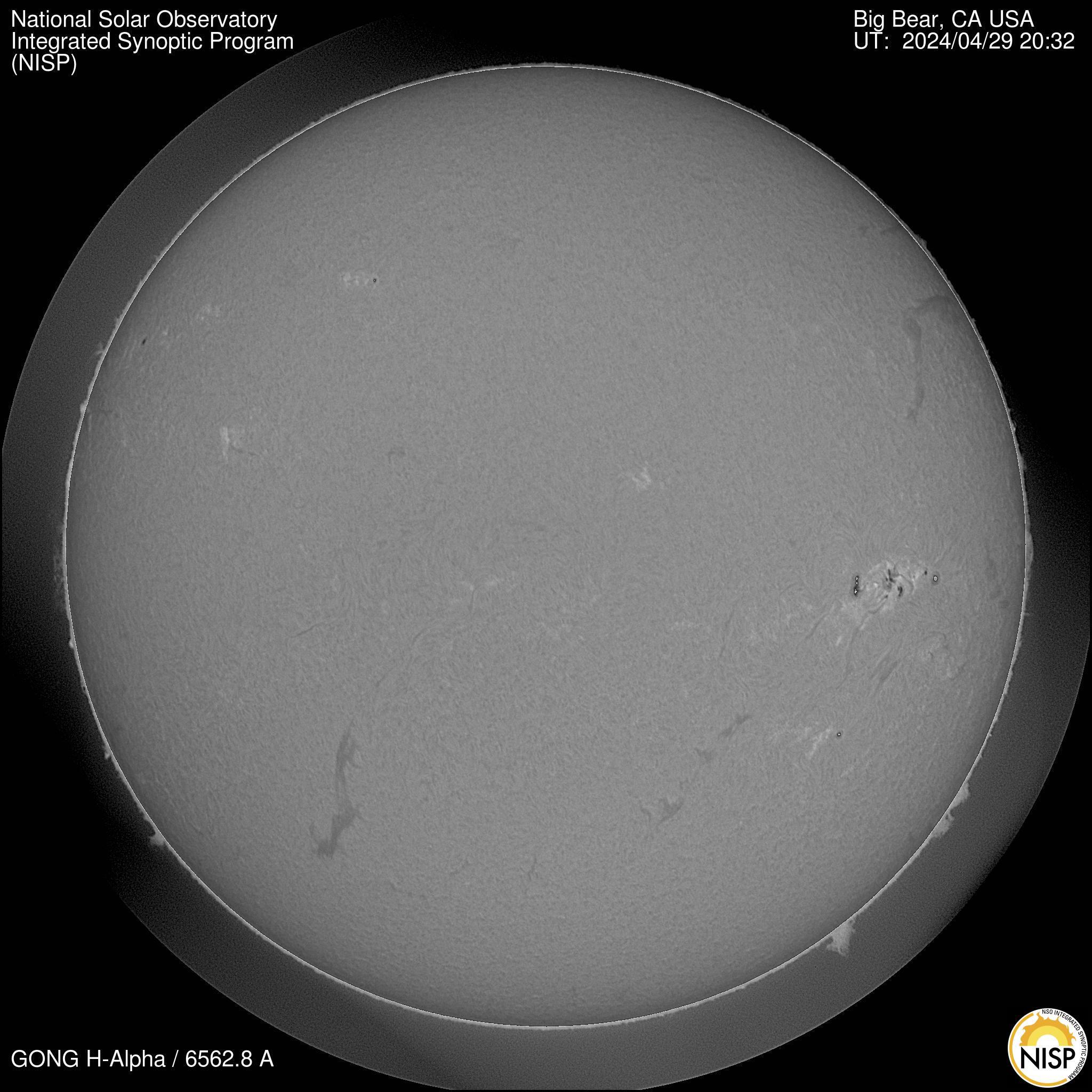
Prominences, filaments, plage and chromospheric detail.
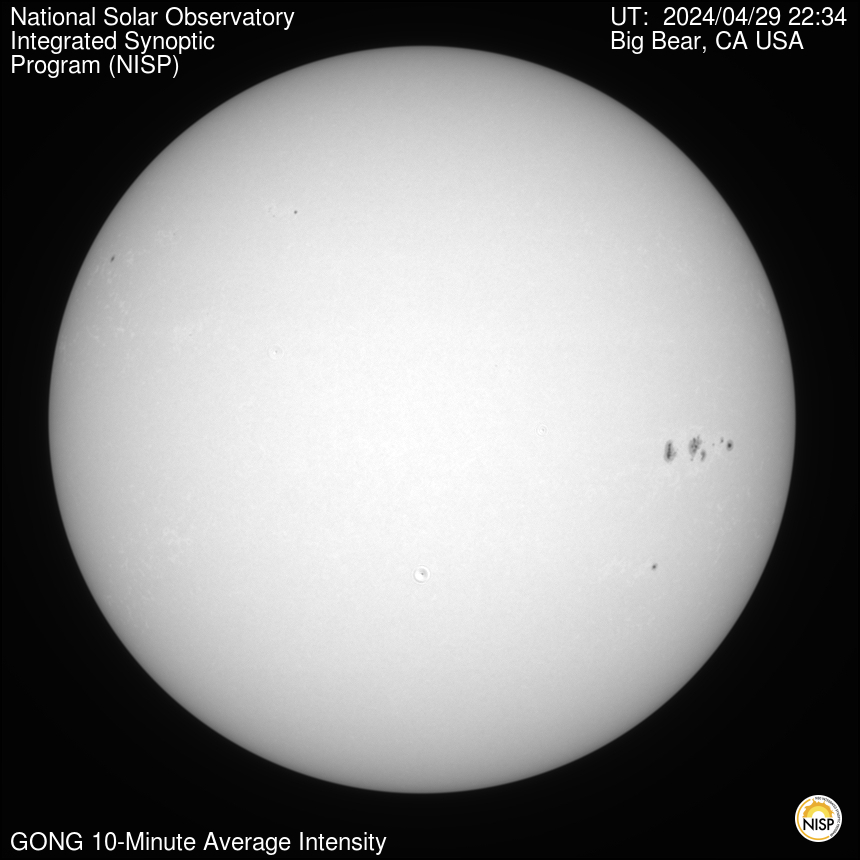
White-light style view for sunspots and photospheric detail.

Magnetic polarity and active-region structure.
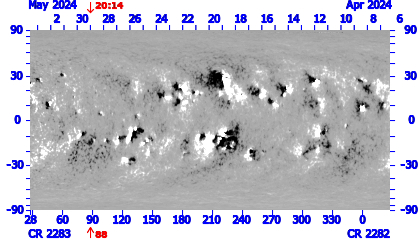
Full-rotation magnetic context and approaching active longitudes.
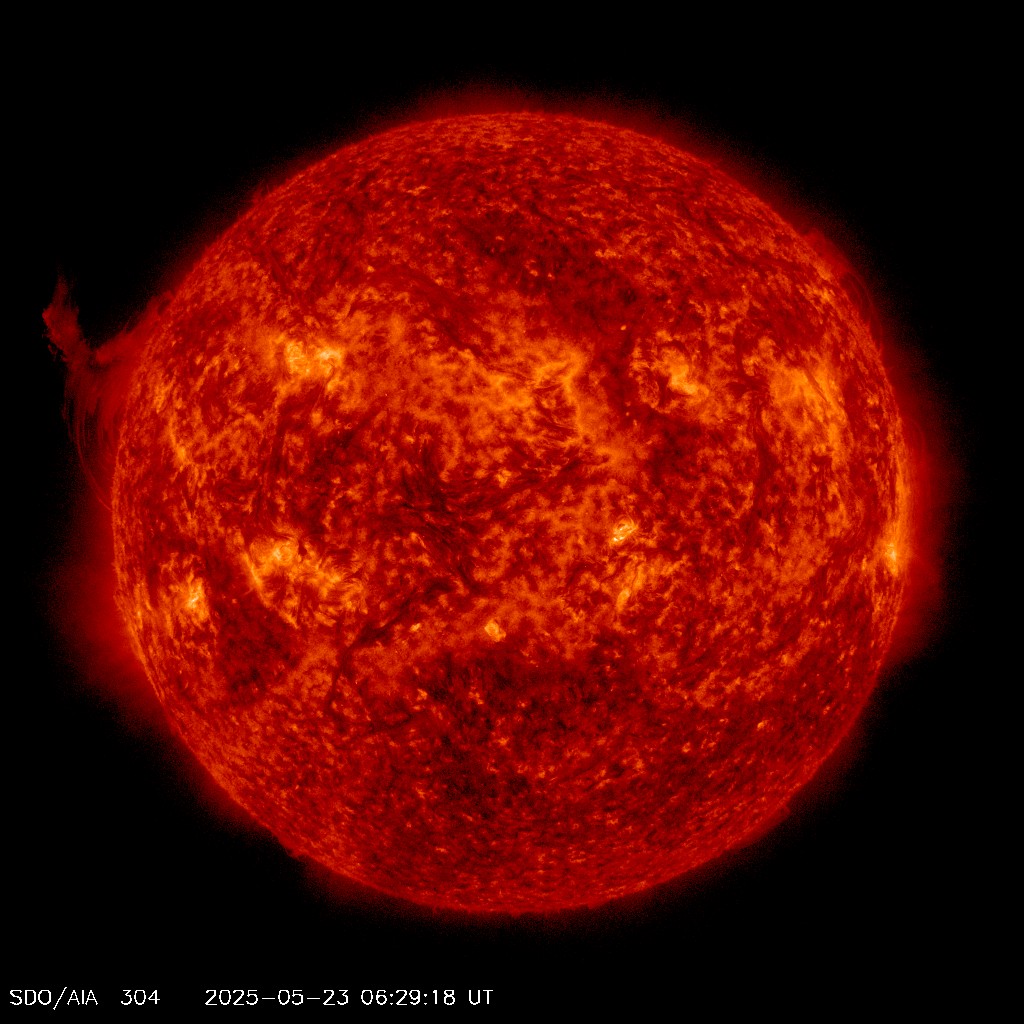
Prominences, filaments and active chromospheric regions.
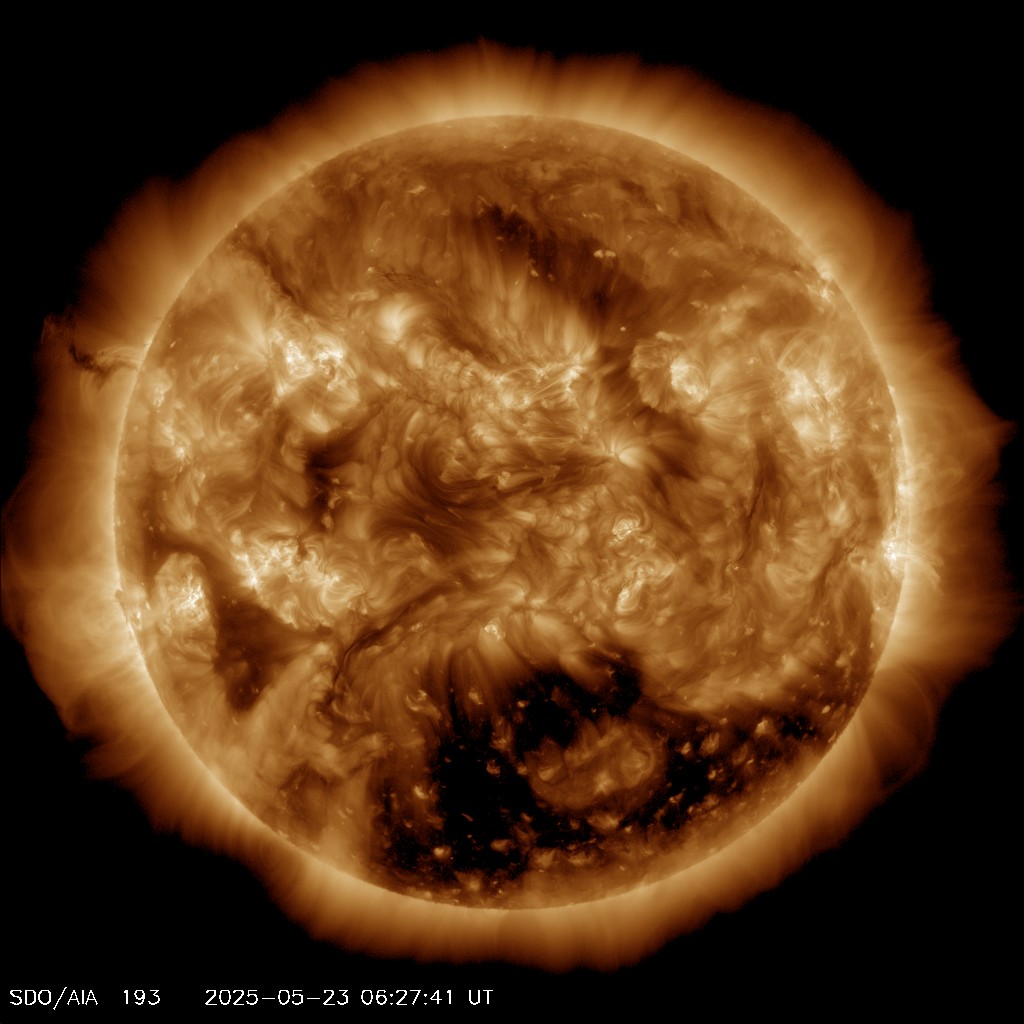
Coronal holes, active regions and large-scale coronal structure.

Calcium-K highlights plages, magnetic activity and the chromospheric network.
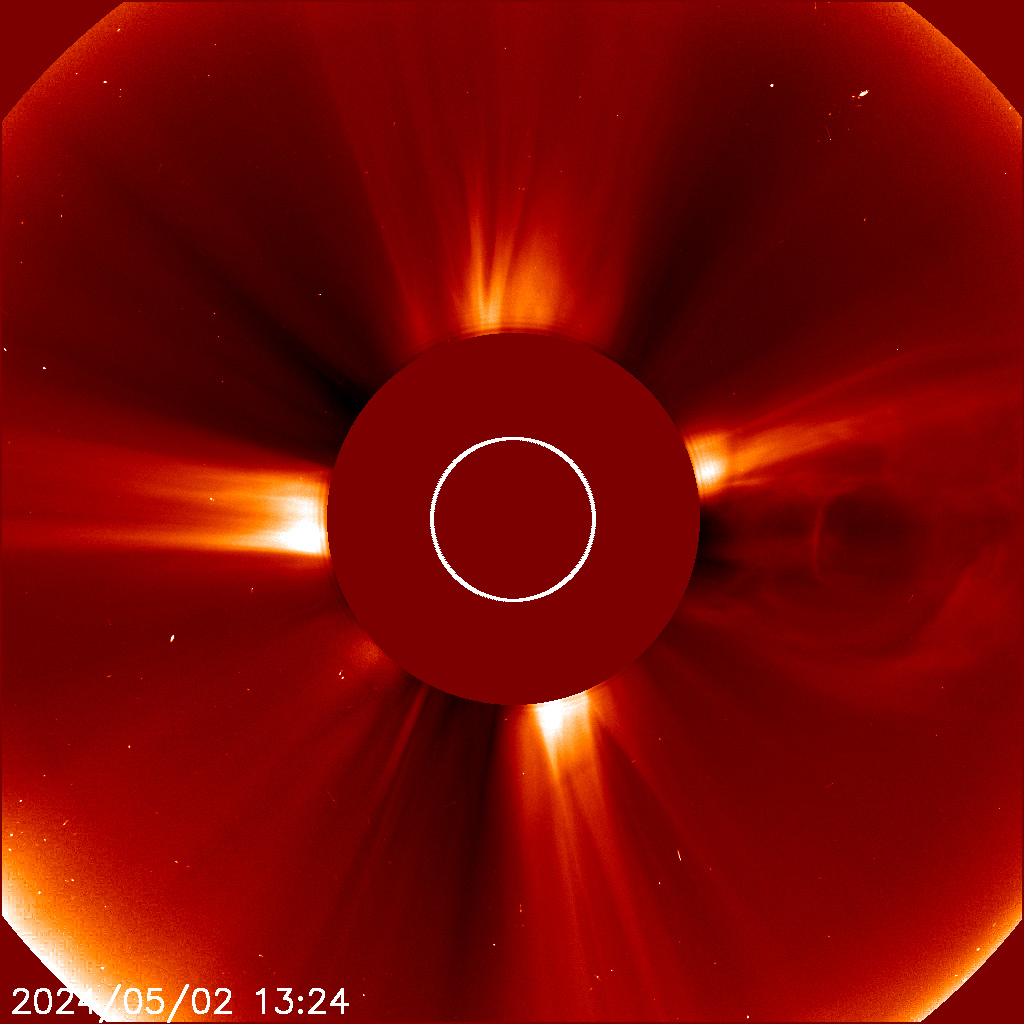
Inner coronagraph view for CMEs and bright sungrazing comets.
The 250 hPa wind is used as a practical jet-stream proxy. 7Timer seeing is a model guide, not a guarantee of local daytime steadiness.
Use a certified front-mounted solar filter or a purpose-made solar telescope. White-light observing is ideal for sunspots, photospheric faculae, eclipse work and general public observing.
For imaging, short video captures can show umbral and penumbral detail when the seeing steadies. Granulation needs sharper seeing, good focus and a reasonably high solar altitude.
Use a dedicated H-alpha solar telescope or a correctly matched energy rejection and etalon system. H-alpha reveals prominences, filaments, plages, spicules and flares.
Even on a hazy day, H-alpha can sometimes give pleasing visual views, but high-resolution imaging of prominences or active regions still depends heavily on steady local seeing.
Calcium-K is mainly an imaging wavelength, showing bright plages and chromospheric network associated with magnetic activity. It is less commonly used visually and usually needs specialist equipment.
Because Calcium-K works in the near ultraviolet, it benefits from excellent transparency, careful focusing and a camera sensitive at short wavelengths. Haze, low Sun and poor seeing can soften the result quickly.
Inspect filters, caps, finders and fittings before aiming at the Sun. Supervise public observing closely and remove or securely cover ordinary finder scopes.
Check that filters cannot be knocked loose by wind or visitors, and never leave a solar-pointed telescope unattended.
Clear sky is only part of the story. Low cloud and rain stop play, high cloud reduces contrast, wind affects telescope stability, and a strong jet stream often makes fine solar detail boil or blur.
For public sessions, visual white-light or H-alpha is often worthwhile in fair conditions. For high-resolution imaging, wait for the best cloud gap, highest solar altitude and lowest seeing/jet-stream indicators.